How to Make Artificial Flowers Look Real: Expert Decor Tips
Learn how to make artificial flowers look real with expert styling tips, arrangement tricks, and decorating ideas for natural-looking faux floral displays.
How to Make Artificial Flowers Look Real: Designer Secrets for Natural Decor?
Artificial flowers have evolved dramatically over the past decade. Gone are the days when faux blooms looked stiff, overly shiny, and obviously fake. Today’s high-quality faux flowers can look incredibly convincing—sometimes even fooling experienced interior designers.
However, simply placing artificial flowers in a vase doesn’t always create the natural look you want. In fact, the difference between a beautiful arrangement and one that feels artificial often comes down to styling techniques and thoughtful placement.
Fortunately, with a few professional tips, you can transform even simple realistic silk flowers into stunning decor that feels organic and elegant.
In this guide, we’ll explore the designer tricks that make artificial flowers for home decor look fresh, natural, and effortlessly stylish.
Why Some Artificial Flowers Look Fake?
Before learning how to style faux florals beautifully, it’s important to understand why some artificial flowers look obviously fake in the first place. Interestingly, the issue usually isn’t the idea of artificial flowers—it’s how they are designed or arranged.
In many cases, artificial flowers appear unrealistic because of a few common characteristics.
Overly Perfect Shapes
One of the biggest giveaways is perfect symmetry. Real flowers rarely grow in flawless patterns. Instead, petals may curl slightly, stems bend naturally, and each bloom develops its own unique shape.
However, some artificial arrangements look too structured. When every flower sits at the same height and angle, the display can feel stiff and unnatural. As a result, the arrangement lacks the organic flow found in real bouquets.
Unrealistic Colors
Another factor that can make artificial flowers look fake is color. In nature, petals rarely display a single flat shade. Instead, they often contain soft gradients, subtle variations, and delicate imperfections.
Lower-quality faux flowers sometimes use bright, uniform colors that immediately signal they are artificial. By contrast, high-quality faux flowers and realistic silk flowers typically feature layered tones that better mimic natural blooms.
Poor Arrangement Techniques
Even beautiful artificial flowers can look artificial if they are arranged incorrectly. For instance, placing too many flowers tightly together or arranging them in identical positions can make the display feel rigid.
Real flowers grow in slightly uneven clusters with natural spacing. Therefore, when artificial flowers are arranged too neatly, they lose that natural appearance.
Fortunately, the good news is that these issues are easy to fix. With just a few simple styling adjustments—such as bending stems, varying heights, and choosing high-quality faux flowers—you can dramatically improve the realism of your arrangements.
Start with High-Quality Faux Flowers
The first step toward realistic decor is choosing high-quality faux flowers.
Not all artificial flowers are created equal. Some inexpensive versions use shiny plastic materials that instantly look artificial.
Instead, look for realistic silk flowers made from:
- silk fabric
- latex-coated petals
- textured leaves
- wired stems
These materials mimic the natural softness and irregularities found in real flowers.
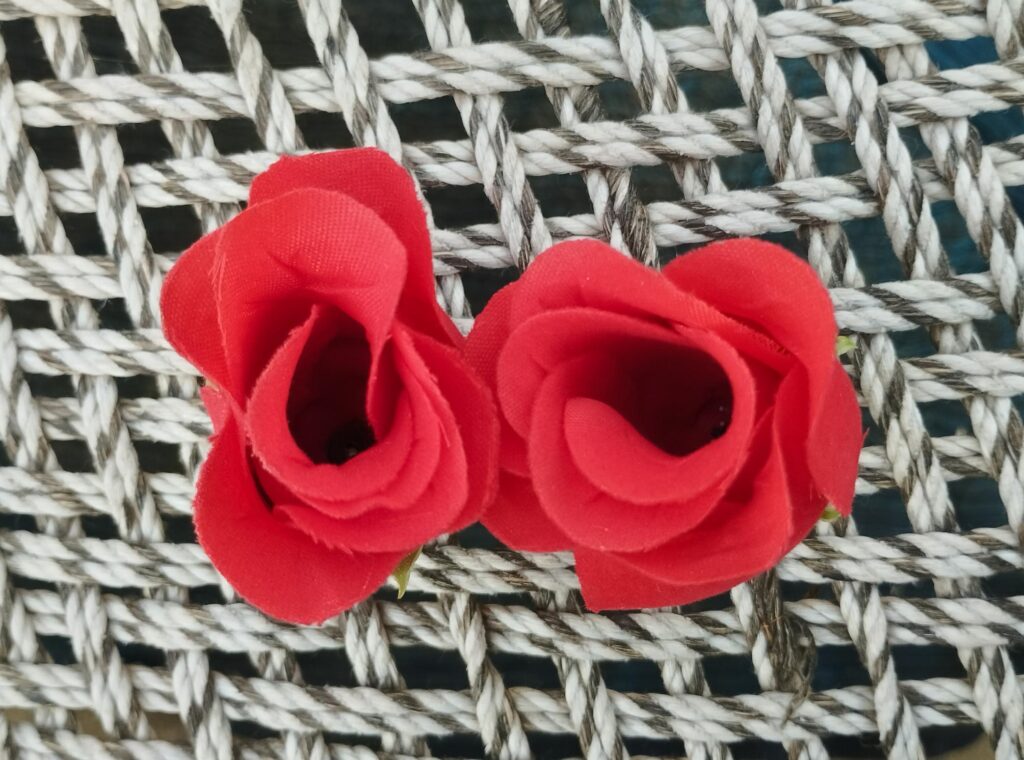
Furthermore, choose flowers with subtle color variations rather than uniform shades. Real petals rarely have a single consistent tone.
Bend and Shape the Stems
One of the easiest ways to make artificial flowers look real is by adjusting the stems.
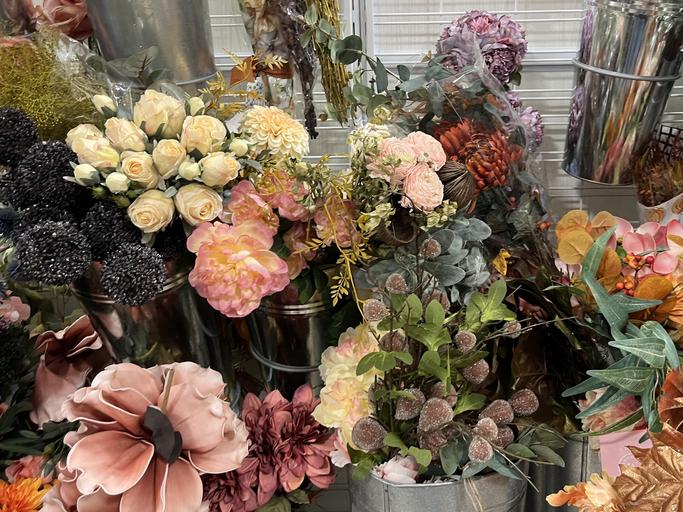
Real plants grow in imperfect directions. Therefore, perfectly straight stems immediately signal that flowers are artificial.
Create Natural Curves
Most high-quality faux flowers contain wire stems that can be gently bent.
Try creating:
- slight curves
- varied heights
- angled stems
This technique instantly creates a more organic appearance.
Vary Stem Heights
Another simple trick is to cut or bend stems to different lengths.
Real bouquets rarely have identical flower heights, so variation adds authenticity.
Use the Right Vase
The container you choose can dramatically impact how realistic an arrangement looks.
For example, large bouquets often look best in:
- ceramic vases
- glass vases
- stone containers
Meanwhile, smaller arrangements work beautifully in:
- vintage jars
- decorative pots
- minimalist vases
Furthermore, adding a small amount of water to glass vases can enhance realism.
Add Real Elements to the Arrangement
One of the most effective styling tricks is mixing artificial flowers with real natural elements.
For example, you can combine decorating with faux greenery alongside:
- real branches
- fresh eucalyptus
- dried grasses
- natural twigs
This technique blurs the line between artificial and natural.
As a result, the arrangement feels layered and authentic.
Choose Natural Color Combinations
Color plays a huge role in how realistic artificial flowers appear.
Bright, overly saturated colors often look artificial.
Instead, choose softer tones like:
- dusty pink
- cream white
- muted lavender
- natural green
These colors better mimic real flowers found in nature.
Furthermore, combining different flower types creates a more believable arrangement.
Avoid Overcrowding the Arrangement
One common mistake when decorating with faux flowers is packing too many blooms into a vase.
However, real bouquets typically include open space between stems.
Therefore, allow flowers to breathe within the arrangement.
This approach creates a lighter, more natural look.
Place Artificial Flowers in Natural Locations
Placement matters just as much as styling.
Artificial flowers look most convincing when placed where real flowers would naturally appear.
For instance:
Living Room Styling
- coffee tables
- mantels
- bookshelves
Bedroom Decor
- nightstands
- dressers
- window ledges
Bathroom Decor
Bathrooms are excellent places for best fake plants because humidity and low light often damage real plants.
Dust and Maintain Artificial Flowers
Even the most realistic arrangement can lose its charm if it collects dust.
Fortunately, maintaining artificial flowers is simple.
Dust Regularly
Use a soft microfiber cloth or feather duster every few weeks.
Light Cleaning
Occasionally rinse flowers with lukewarm water and allow them to air dry.
Avoid Direct Sunlight
Strong sunlight may fade artificial petals over time.
Designer Tip: Rotate Your Arrangements
Interior designers often rotate decor elements throughout the year.
Similarly, switching floral arrangements between rooms can refresh your home without buying new decor.
For instance:
- spring tulips in living room
- summer hydrangeas in entryway
- autumn dried florals in dining room
This technique keeps artificial flowers for home decor feeling fresh and seasonal.
Conclusion: Artificial Flowers Can Look Stunningly Real
Artificial flowers no longer deserve their outdated reputation. When chosen carefully and styled thoughtfully, they can look just as beautiful as fresh blooms.
By selecting high-quality faux flowers, shaping stems naturally, mixing textures, and maintaining arrangements properly, you can create decor that feels authentic and elegant.
Moreover, artificial flowers offer unmatched versatility. They thrive in low light, require no maintenance, and last for years.
Therefore, whether you’re decorating a living room, bedroom, or entryway, faux florals provide endless opportunities for stylish interior design.
Once you learn these simple techniques, your guests may never realize your flowers aren’t real.
This is now one of my favorite blog posts on this subject.
I’ve gained a much better understanding thanks to this post.
I enjoyed your perspective on this topic. Looking forward to more content.
Great job simplifying something so complex.
This was really well done. I can tell a lot of thought went into making it clear and user-friendly. Keep up the good work!
Posts like this are why I keep coming back. It’s rare to find content that’s simple, practical, and not full of fluff.
I never thought about it that way before. Great insight!
I enjoyed your take on this subject. Keep writing!
Thank you for being so generous with your knowledge.