
Faux plants and wellness improve mood, reduce stress, and create a calm, low-maintenance home with beautiful artificial greenery.
Introduction to Faux Plants and Mental Well-being
Why Humans Crave Greenery
Faux plants and wellness are becoming closely connected in modern living, especially as more people look for simple ways to reduce stress and improve their environment. In today’s fast-paced lifestyle, not everyone has the time or energy to maintain real plants, but that doesn’t mean you have to miss out on the calming benefits of greenery. Faux plants offer a practical and visually appealing solution, helping create a peaceful atmosphere without any maintenance. Whether it’s your home, office, or workspace, artificial greenery can play a powerful role in enhancing mental well-being.
Humans are naturally drawn to nature—a concept often referred to as biophilia. This explains why even a small touch of green can make a space feel more relaxing and alive. Our brains associate greenery with safety, growth, and calmness. Even when the plants are artificial, the visual signal remains powerful enough to influence mood and emotional balance.
Rise of Artificial Plants in Modern Living
Artificial plants have come a long way from the dusty plastic leaves you might remember from decades ago. Today’s hyper-realistic faux plants are almost indistinguishable from real ones. With advancements in materials and design, they now feature natural textures, color gradients, and even imperfections that mimic real foliage. This evolution has made them a popular choice in modern homes, offices, and even luxury spaces.
What’s driving this trend? Convenience plays a big role. Not everyone has the time, knowledge, or environment to care for live plants. Busy schedules, lack of sunlight, and even travel can make plant care stressful rather than relaxing. Faux plants eliminate these challenges completely. They provide the aesthetic and psychological benefits of greenery without the maintenance burden, making them ideal for today’s lifestyle.
Faux Plants and Wellness Benefits for Mental Health
The connection between faux plants and wellness is more than just a design trend—it is supported by how the human brain responds to natural elements. When you look at greenery, your brain interprets it as a signal of safety and abundance. This response is deeply rooted in human evolution and plays a key role in reducing stress and promoting calmness.
Even though faux plants are not alive, their realistic appearance can trigger similar psychological effects. Spaces with artificial greenery feel less sterile and more inviting compared to those without any natural elements. This is why many homes, offices, and even healthcare environments incorporate faux plants to improve overall ambiance and emotional comfort.
Another key benefit is emotional ease. Real plants can sometimes create pressure—especially when they start to wilt or die due to neglect. Faux plants remove this burden entirely, allowing you to enjoy greenery without guilt or responsibility. This makes faux plants and wellness decor an ideal choice for modern lifestyles.
Key Mental Health Benefits of Faux Plants
Stress Reduction and Relaxation
Imagine coming home after a long, exhausting day and being welcomed by a calm, green environment. Even if the plants are artificial, they still create a sense of peace and relaxation. The soft shapes of leaves, natural green tones, and organic textures all contribute to lowering stress levels.
Your brain doesn’t strictly differentiate between real and artificial greenery when it comes to visual processing. As long as the plant looks realistic, it can trigger a calming response. This makes faux plants a simple yet effective way to create a stress-free environment.
One often-overlooked advantage is the absence of “plant guilt.” With real plants, forgetting to water them or seeing them deteriorate can actually increase anxiety. Faux plants completely eliminate this issue, allowing you to enjoy a peaceful space without any mental burden.
Boosting Mood and Emotional Balance
Greenery has a powerful impact on emotional well-being. It brings life, color, and vibrancy into a space, instantly making it feel more welcoming and uplifting. Faux plants can transform dull or empty areas into lively, visually appealing environments.
Think of it like adding music to silence—it changes the entire atmosphere. In the same way, adding greenery—even artificial—can elevate your mood and make your surroundings feel more positive. Over time, these subtle improvements contribute to better emotional balance.
This is one reason why faux plants and wellness benefits are becoming increasingly popular in interior design. They provide a quick and effective way to enhance mood without requiring effort or maintenance.
Enhancing Focus and Productivity
If you spend long hours working, you’ve likely experienced mental fatigue. Incorporating faux plants into your workspace can help improve focus and productivity. Greenery creates a more engaging and less stressful environment, making it easier to concentrate.
Even a small artificial plant on your desk can act as a visual reset point. When your mind feels overwhelmed, a quick glance at greenery can help you regain clarity and continue working efficiently. It’s like giving your brain a short break without interrupting your workflow.
This is why many professionals are now integrating faux plants and wellness elements into their home offices and workspaces.
Faux Plants and Wellness in Home Design
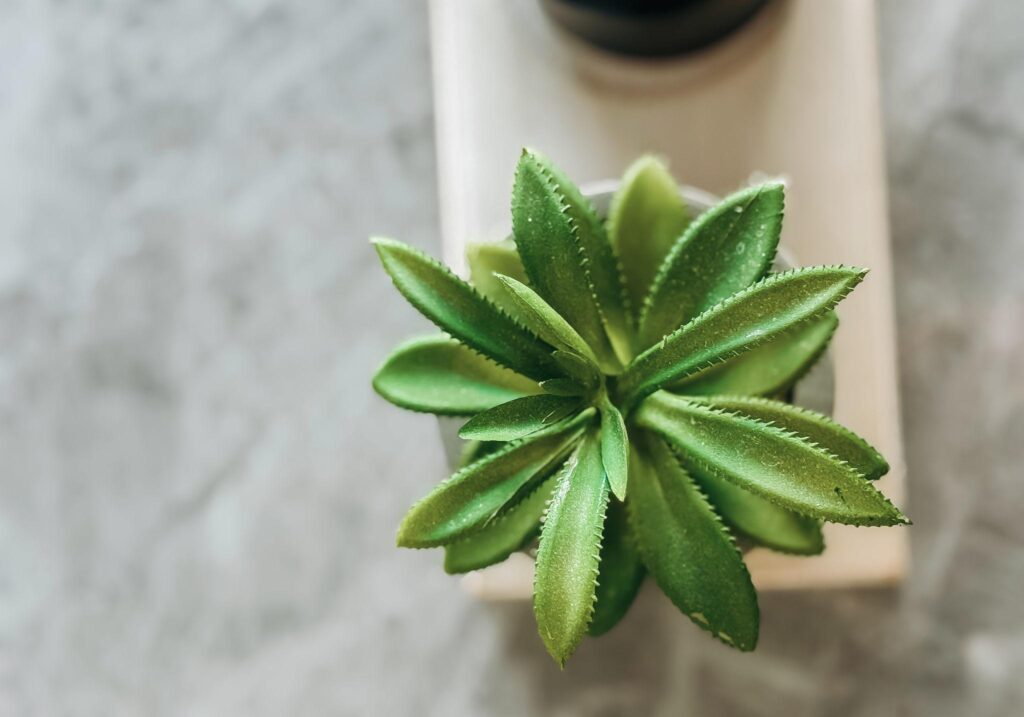
Incorporating faux plants and wellness principles into home design is one of the simplest ways to improve your living space. Artificial plants add depth, texture, and color, making rooms feel more inviting and comfortable.
They are especially useful in low-light areas such as hallways, bathrooms, or corners where real plants struggle to survive. Faux plants allow you to maintain a consistent aesthetic throughout your home without worrying about environmental limitations.
Interior designers often use faux plants as focal points. A tall artificial tree can anchor a room, while smaller plants enhance shelves, tables, and countertops. Combining different sizes and styles creates layers of greenery, adding visual interest and balance to your space.
Faux Plants vs Real Plants
Benefits Comparison Table
| Feature | Faux Plants | Real Plants |
| Maintenance | None | Requires care |
| Longevity | Permanent | Limited lifespan |
| Allergy-Friendly | Yes | Sometimes no |
| Air Purification | No | Yes |
| Placement Flexibility | Anywhere | Light-dependent |
| Stress-Free Ownership | High | Moderate |
When Faux Plants Are the Better Choice
Faux plants are particularly beneficial in situations where real plants are difficult to maintain. For example, in windowless rooms or spaces with limited sunlight, real plants often fail to thrive. This can lead to frustration and wasted effort.
Artificial plants, on the other hand, remain vibrant regardless of lighting conditions. They are also ideal for people with allergies or pets, as they eliminate concerns about pollen or toxicity.
If your goal is to create a visually appealing and calming environment without added responsibility, faux plants and wellness solutions are the perfect choice. They offer the beauty of greenery combined with the convenience of modern living.
Biophilic Design and Artificial Greenery
What is Biophilic Design?
Biophilic design is all about integrating natural elements into built environments to improve well-being. It’s based on the idea that humans function better when connected to nature. This concept is widely used in architecture, interior design, and even workplace planning.
Role of Faux Plants in Modern Interiors
Faux plants play a crucial role in this design approach, especially in urban settings where natural elements are limited. They help create a sense of balance, warmth, and harmony within a space. By mimicking natural forms, they bring a touch of the outdoors inside, enhancing both aesthetics and mental comfort.
Choosing the Right Faux Plants
Hyper-Realistic Options
When selecting faux plants, realism matters. Look for options with natural textures, varied colors, and detailed leaf structures. High-quality faux plants can easily pass as real, making their psychological impact even stronger.
Calming Plant Types
Certain types of plants are known for their calming effect:
- Faux eucalyptus for a spa-like vibe
- Faux ferns for lush tranquility
- Faux succulents for structured calm
- Faux olive trees for minimalist elegance
Strategic Placement for Wellness
Home Office Setup
Place a faux plant near your desk to improve focus and reduce visual fatigue. It creates a more inviting workspace and encourages productivity.
Bedroom and Relaxation Corners
Adding faux plants to your bedroom can create a peaceful atmosphere, helping you unwind and sleep better.
Low-Light Areas
Faux plants are perfect for dark corners, hallways, and bathrooms where real plants cannot survive.
Practical Benefits of Faux Plants
Allergy-Free Living
Faux plants are completely free from pollen, making them ideal for allergy sufferers. They also eliminate concerns about toxic plants for pets.
Low Maintenance Lifestyle
No watering, no pruning, no sunlight—faux plants fit perfectly into a busy lifestyle. They offer beauty without effort.
Styling Tips for Maximum Impact
Combining Textures and Heights
Mix different plant sizes and textures to create depth and visual interest. This makes your space feel more dynamic and natural.
Creating Focal Points
Use larger faux plants as statement pieces to anchor a room and draw attention.
Common Myths About Faux Plants
Do They Look Cheap?
Not anymore. Modern faux plants are incredibly realistic and can elevate your decor when chosen wisely.
Do They Provide Any Real Benefits?
Absolutely. While they don’t purify air, their psychological and aesthetic benefits are well-supported by research.
Conclusion
Faux plants are more than just decorative items—they are powerful tools for enhancing mental well-being. By tapping into our natural connection with greenery, they help reduce stress, improve mood, and create a calming environment. Whether you’re designing a home, office, or personal sanctuary, incorporating faux plants is a simple yet effective way to elevate your space and your mind.
Yes, and the effect is more meaningful than most people assume. Scientific observations show that simply looking at greenery—whether real or artificial—can trigger a calming response in the brain. Artificial plants have been found to stimulate positive brain activity associated with relaxation, especially when they are realistic in appearance.
What’s happening here is quite fascinating: your brain interprets green, organic shapes as signals of safety and natural abundance. Even if the plant isn’t alive, the visual cue alone can reduce mental tension and help you feel more at ease. While real plants may produce a slightly stronger effect, faux plants still outperform environments with no greenery at all.
There’s also an emotional benefit that often goes unnoticed—zero maintenance stress. With real plants, forgetting to water them or seeing them wilt can actually increase anxiety. Faux plants remove that burden entirely, allowing you to enjoy a consistently calming environment without any responsibility attached.
Absolutely—they can make a noticeable difference in how your workspace feels and functions. Offices, especially modern ones, often lack natural elements and can feel sterile or monotonous. Adding faux plants introduces a sense of life and warmth, which can help improve both mood and productivity.
From a psychological perspective, greenery helps reduce mental fatigue and increases focus. Even a small artificial plant placed on your desk can act as a visual break during long working hours. This can help your brain reset and maintain concentration for longer periods.
Another advantage is practicality. In many offices, natural light is limited, and maintaining real plants becomes difficult. Faux plants solve this issue completely—they look vibrant all year round, regardless of lighting or temperature.
Plus, they contribute to a more welcoming environment. Whether you’re working solo or hosting clients, a workspace with greenery feels more professional, comfortable, and thoughtfully designed.
It depends on what you’re looking for. If your goal is aesthetic appeal and mental wellness, then yes—faux plants can effectively replace real plants. They provide the visual greenery that your brain associates with relaxation, helping to create a calm and inviting environment.
However, if you’re specifically looking for functional benefits like air purification, real plants still have an edge. Living plants can absorb certain pollutants and release oxygen, something artificial plants cannot do.
That said, in many real-world situations, faux plants are actually the better choice. For example, in low-light areas, busy households, or homes with pets and allergies, maintaining real plants can be impractical or even risky. Faux plants offer a safe, long-lasting, and hassle-free alternative.
Think of it this way: real plants are like a hobby, while faux plants are like a design solution. Both have value—you just need to choose based on your lifestyle and priorities.
Cleaning faux plants is simple, but doing it regularly makes a big difference in keeping them looking realistic and fresh. Over time, dust can accumulate on the leaves, which not only dulls their appearance but also reduces their visual impact.
The easiest method is to use a soft cloth or feather duster to gently remove dust every couple of weeks. For more thorough cleaning, you can wipe the leaves with a slightly damp cloth. If the plant is heavily dusty, a quick rinse under water (for washable materials) can also work well—just make sure to let it dry completely afterward.
Another handy trick is using a hairdryer on a cool, low setting to blow away dust from hard-to-reach areas. This is especially useful for plants with dense foliage.
Keeping your faux plants clean isn’t just about appearance—it also enhances their psychological effect. A clean, vibrant plant feels more lifelike, which strengthens its ability to create a calming and pleasant environment.
Placement plays a huge role in how effective faux plants are for wellness. It’s not just about having them—it’s about putting them where they can positively influence your mood and daily routine.
Start with your workspace. Placing a faux plant on your desk or nearby shelf can improve focus and reduce visual strain. It creates a softer, more inviting work environment that encourages productivity.
In your living room, use larger faux plants like a fiddle leaf fig or olive tree as focal points. These can anchor the space and make it feel more balanced and welcoming.
For bedrooms, opt for calming varieties like faux eucalyptus or ferns. Placing them near your bedside or in a reading corner can help create a शांत, relaxing atmosphere that supports better rest.
Don’t forget low-light or neglected areas like hallways, bathrooms, or corners without windows. These spaces often feel dull, but adding faux plants can instantly bring them to life.
A good rule of thumb: place faux plants wherever you spend time or where a space feels “empty.” Even a small touch of greenery can transform the energy of that area and make it feel more complete and soothing.